
Riding Through
Lost Communities
Notes from a bicycle journey through coal-mining settlements, industrial remains and communities living through transition.
A coal mine
was never only
a place of extraction.
For generations, mining shaped not only employment, but the geography of everyday life.
Housing compounds, schools, bathhouses, clinics, canteens, repair shops and railway sidings developed around the same industrial system.
The distance between home and work could often be measured in minutes. Children attended schools serving mining families. Stores depended on miners, truck drivers and the constant circulation of coal.
When production systems changed through consolidation, mechanization, environmental regulation and migration, these communities did not simply disappear. They entered a slower and more complicated transition.
This inquiry therefore documents not only ruined infrastructure, but the spaces where ordinary life continues after industry changes its role.
Notes toward a history of the coal landscape.
The transformation of a mining community does not happen at one moment. Production, labor, housing, policy, transport and memory change at different speeds.
Expansion of work-unit communities
Mining enterprises increasingly organized housing, education, healthcare and public services alongside industrial production.
The coal economy shapes everyday movement
Miners, trains, trucks, shops and family compounds formed a dense landscape in which production and domestic life overlapped.
Jin Hua Gong enters the photographic archive
Photographs record shafts, coal bunkers, sidings, workers and industrial alleys, preserving a detailed view of the operating landscape.
Restructuring and consolidation
Older mining systems faced stronger regulation, consolidation and technological change, altering employment and surrounding communities.
Several landscapes occupy the same ground
Production, residential life, industrial heritage, ecological repair and tourism now coexist within the wider mining region.
Cycling through the coal corridor
The map functions like a field-survey plate: each numbered stop connects geography with historical context, present conditions and observations made along the route.
Archive / Field
Images from Jin Hua Gong Mine in 1999 are placed beside contemporary field photographs. The pairings are thematic rather than exact repeat-photography positions.
The mine is not the only thing that disappears.
Industrial decline is often visible first in ordinary distances, routines and shared spaces.
Distance to work
Employment once located within walking distance may move to another industrial area or another city.
Places of growing up
Schools lose students and younger families leave, turning migration into a generational pattern.
Local services
Restaurants, repair shops and small stores register changes in traffic before industrial buildings vanish.
Shared spaces
Cinemas, bathhouses or public squares can survive physically while losing their former social role.
Notes made at bicycle speed
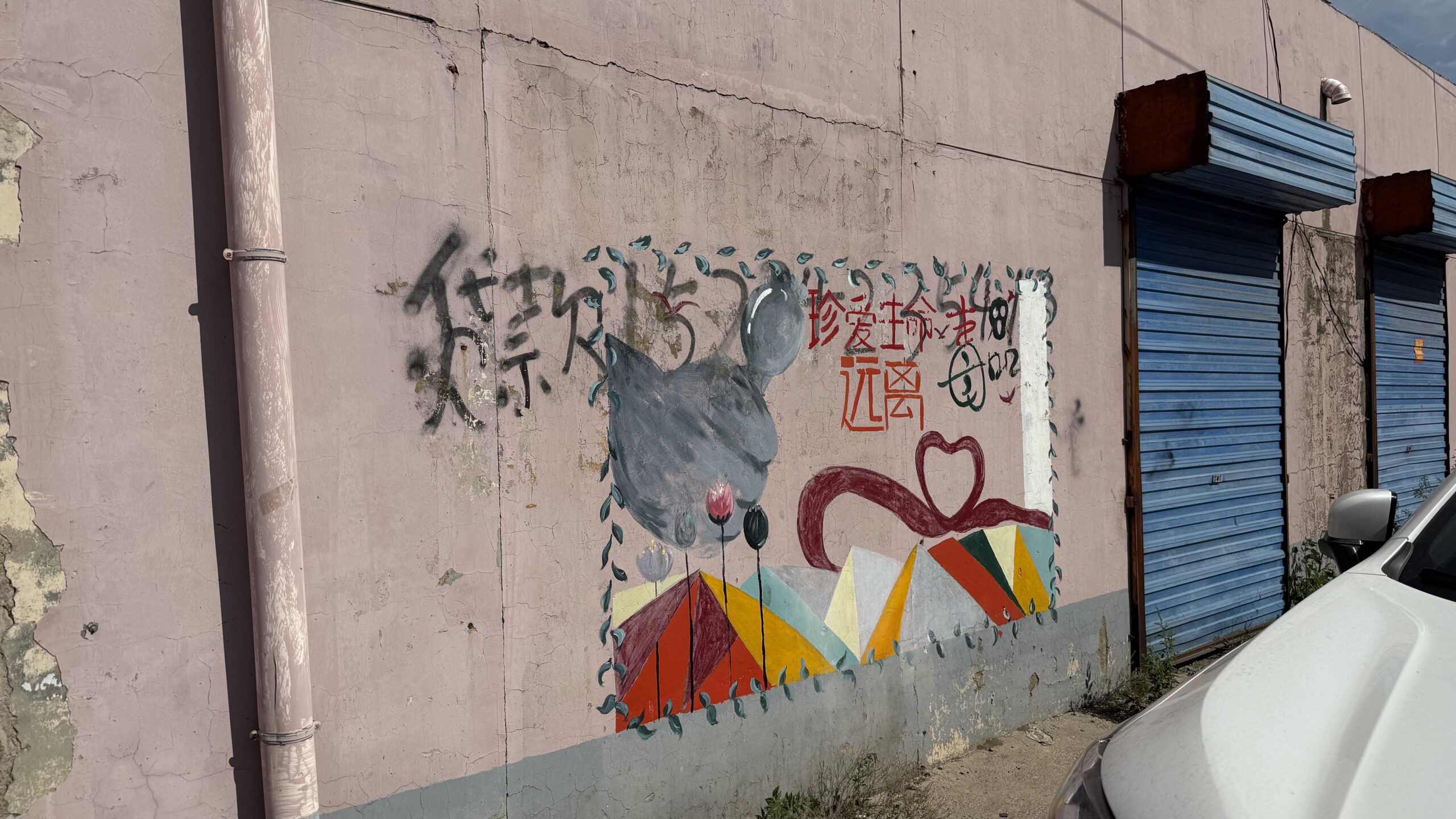
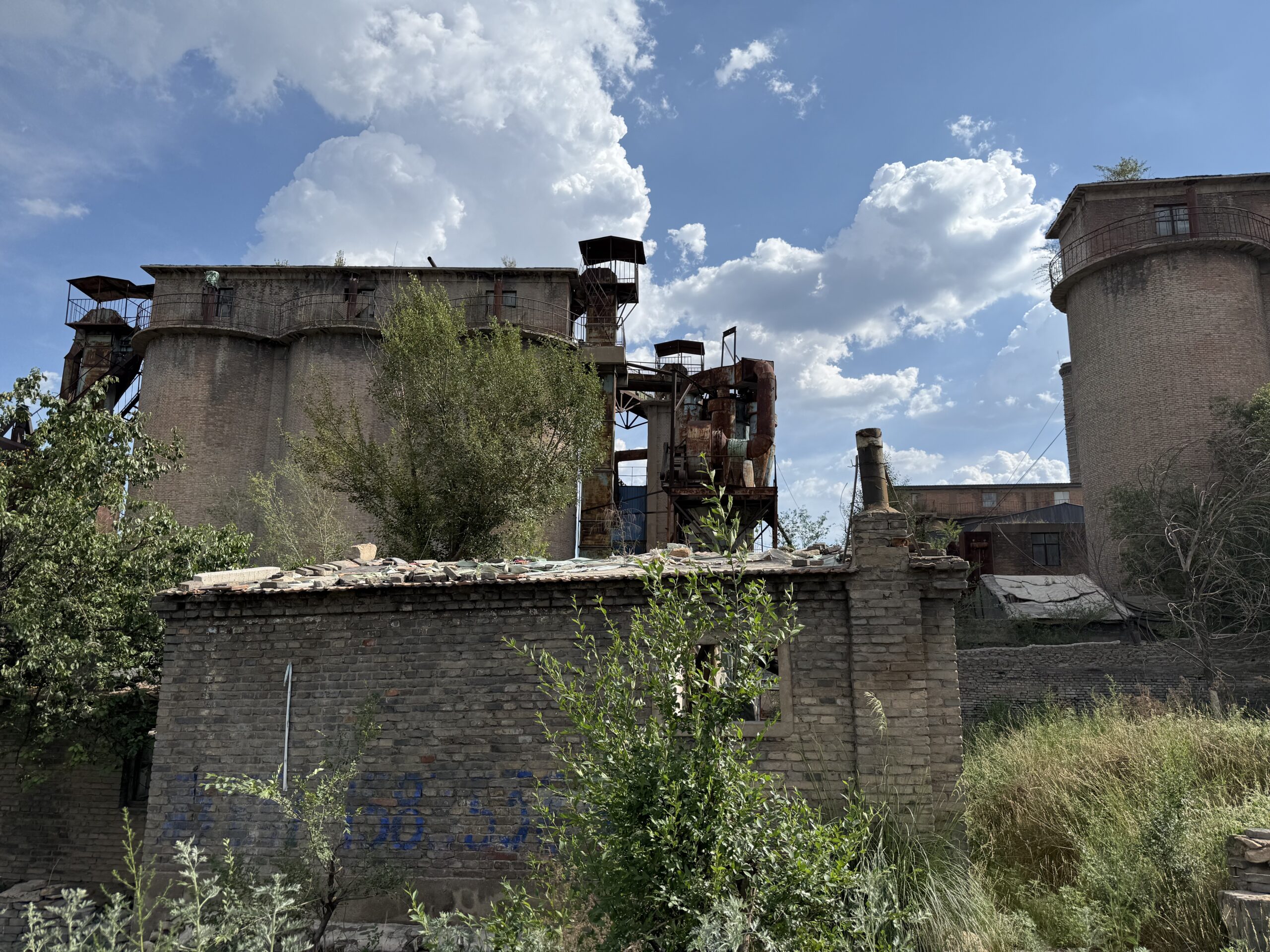
Cycling slows the landscape down enough for overlooked fragments to become visible: walls, abandoned structures, roads, industrial remains and ordinary community space.
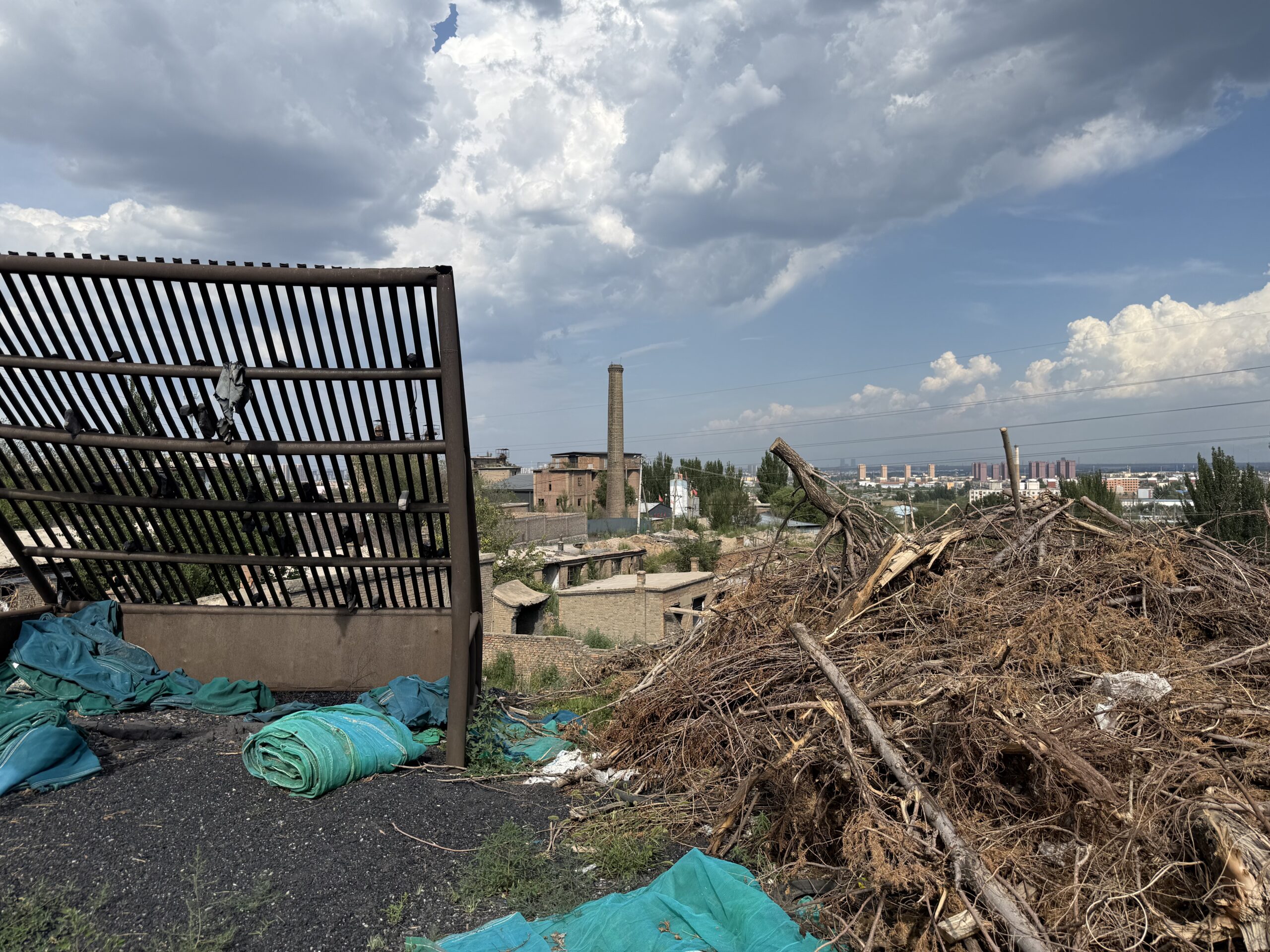
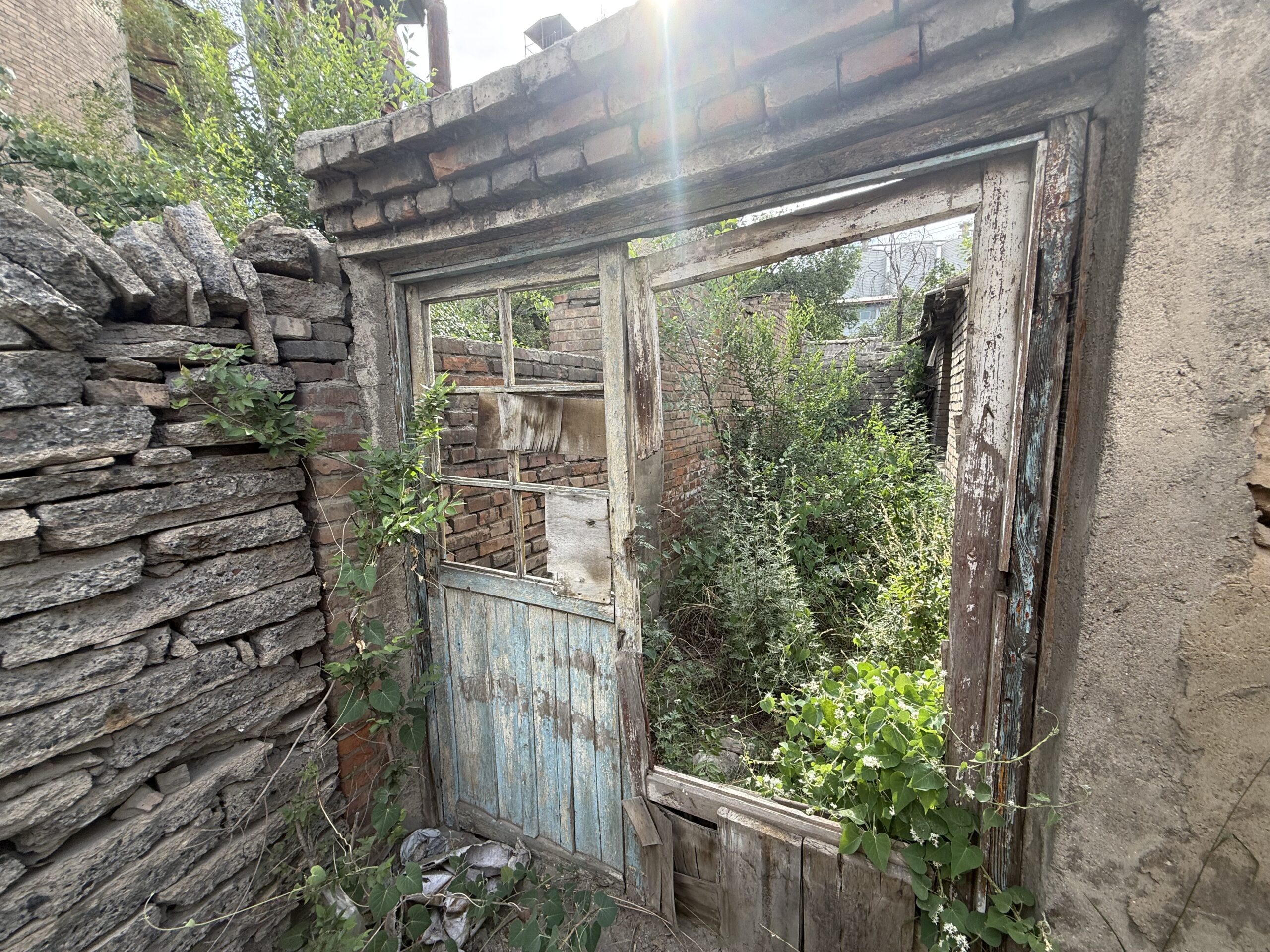
From extraction site to visitor landscape
Industrial decline does not always end in abandonment. Some former mining spaces acquire a second public life as museums, educational sites, heritage landscapes and tourism destinations.

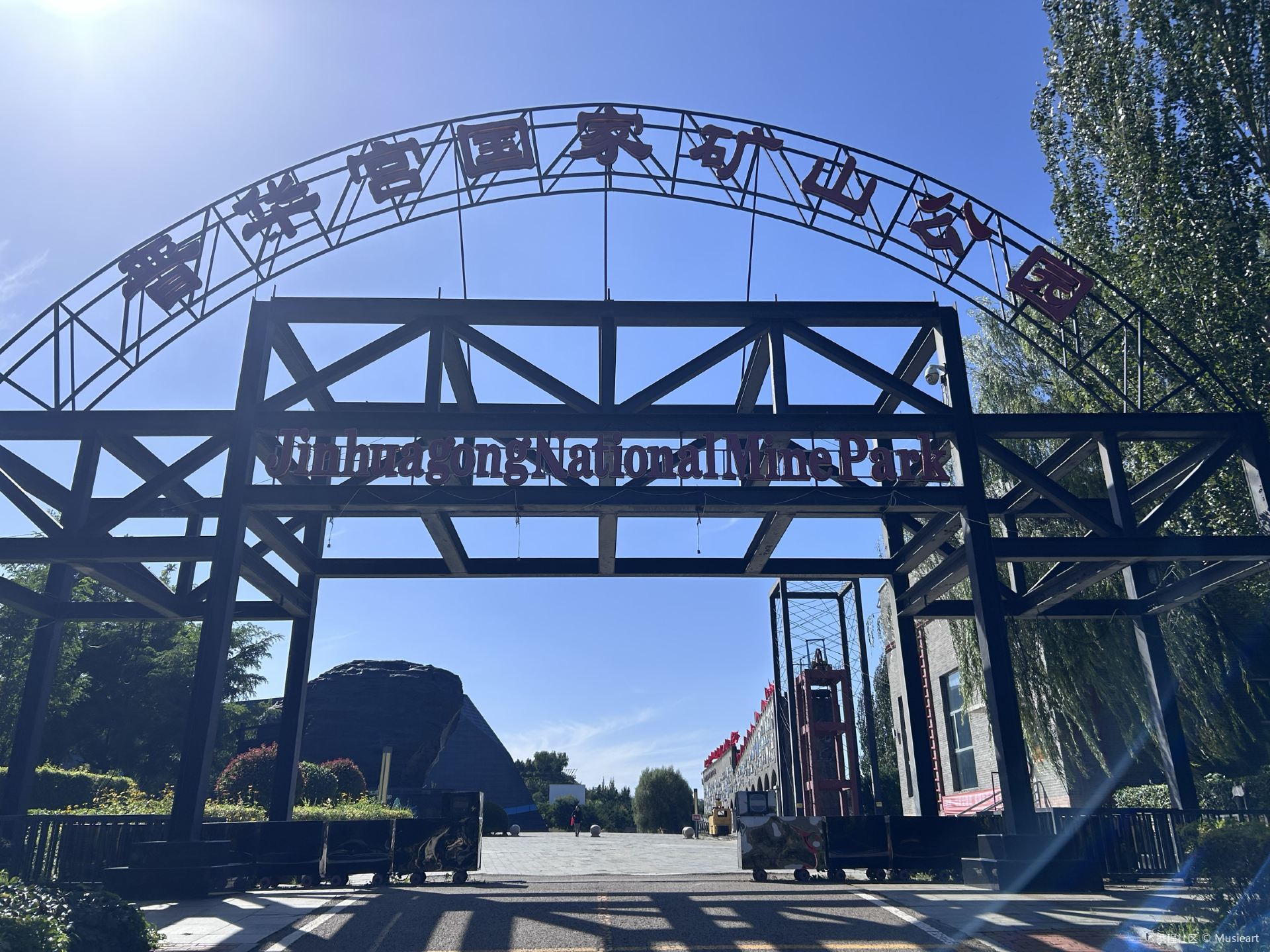
The mine becomes something visitors can read.
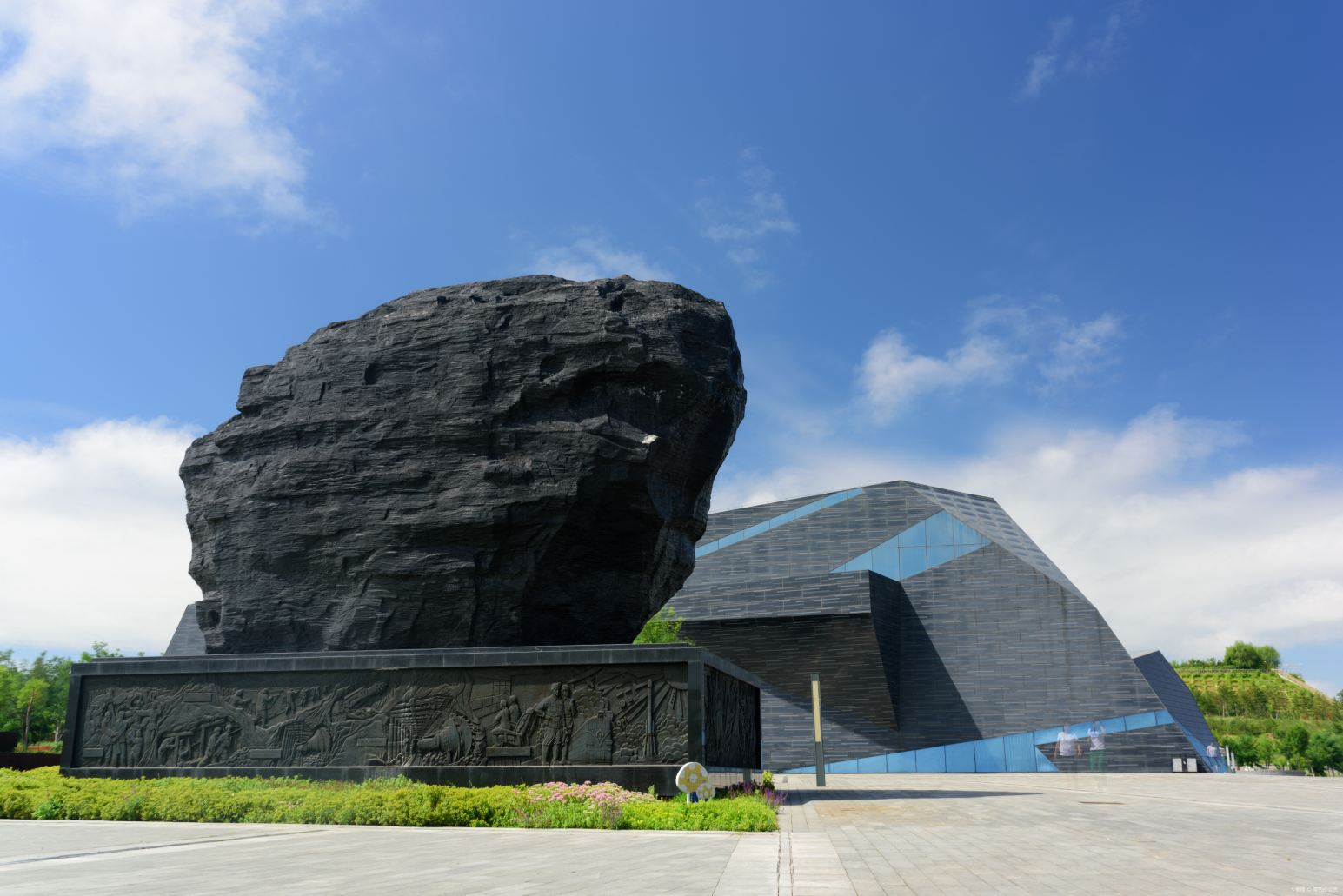
Jinhuagong National Mining Park represents a different phase in the life of an industrial landscape. Mining infrastructure becomes part of a public interpretation system rather than disappearing completely.
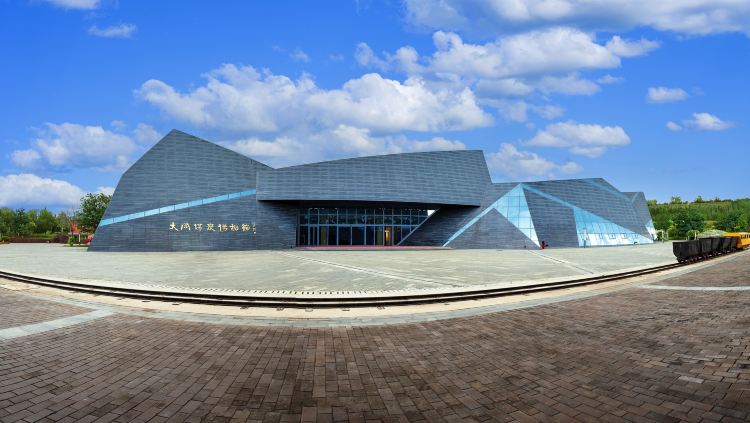
Industrial remains are combined with the Datong Coal Mine Museum, underground mine experiences, environmental improvement and ecological recovery.
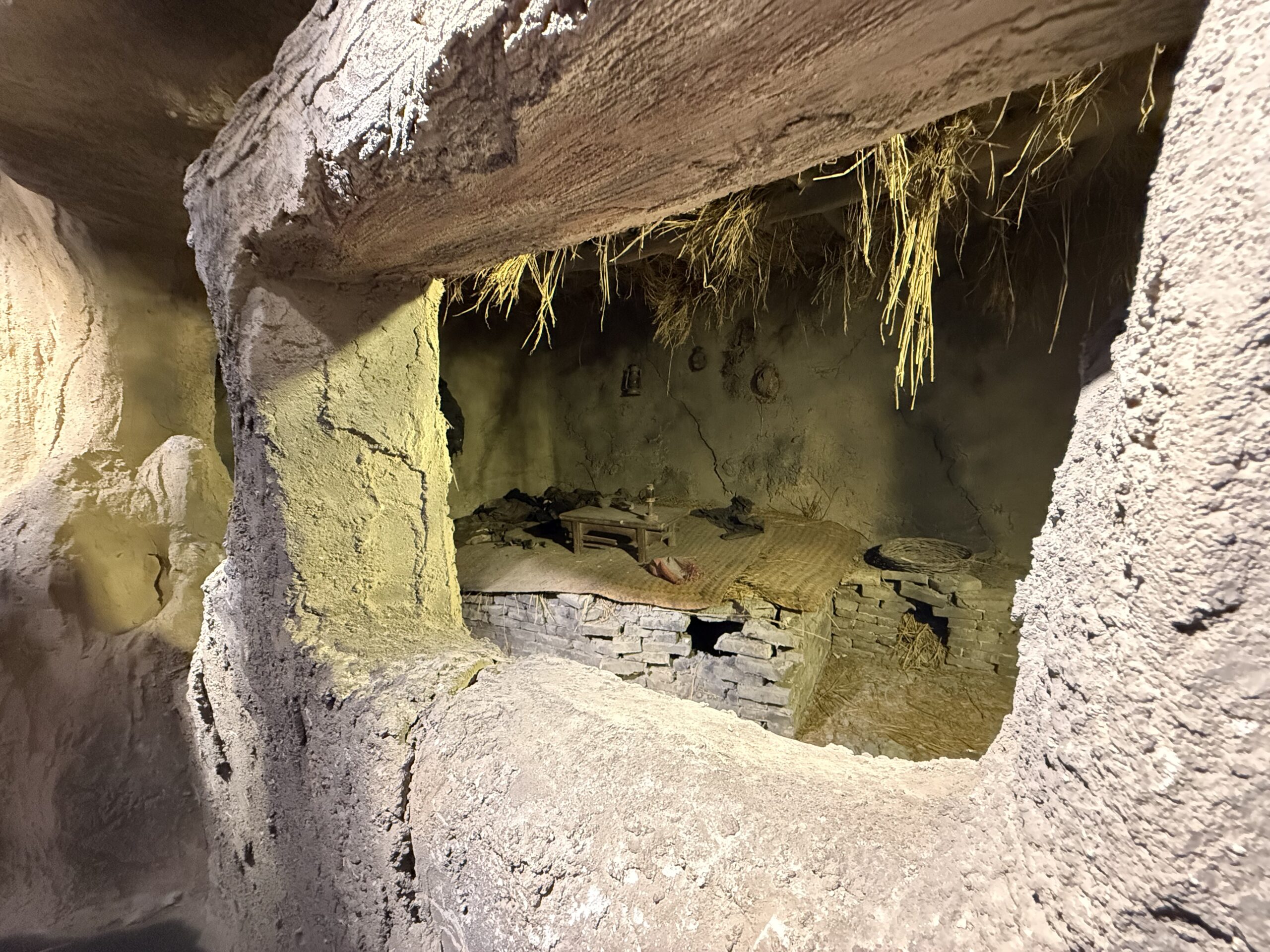
Shafts can become interpretive spaces. Machinery becomes historical evidence. Mining geology becomes part of an educational experience.

Production organizes land, infrastructure and employment.
Selected shafts, buildings and machinery become historical evidence.
Exhibitions explain geology, labor and industrial history.
Visitors enter landscapes once designed almost entirely for production.
Tourism can create new circulation, but does not automatically replace former mining employment.
When a mine becomes a destination, whose version of its history gets preserved?
Visiting an industrial community is not the same as visiting a ruin.
These places remain lived environments. Tourism should not turn ordinary lives into scenery.
Begin with context
Museums and recognized heritage sites provide useful historical background before entering surrounding residential communities.
Stay on public routes
Working or abandoned industrial structures can contain collapse, water and access hazards.
Ask before photographing
A home, courtyard or resident is not automatically part of a public heritage exhibition.
Spend locally
Small restaurants, shops and guesthouses allow a visit to contribute to the places being documented.
An unfinished field handbook.
This page combines cycling observation, historical photography, spatial research, public records and contemporary images.
Future versions can incorporate GPS tracks, resident interviews, exact repeat photography, local gazetteers and verified demographic change.
The project does not treat abandoned or transformed mining places simply as visual curiosities. Its central subject is the relationship between industry, memory and community.
Peter Van den Bossche · Jin Hua Gong Mine · Datong · 18 October 1999 · CC BY-SA 2.0
TRANSFORMATION CASE
Jinhuagong National Mining Park · industrial heritage preservation · mine tourism · environmental renewal · study travel